The Hidden Hazards of DIY Sheet Metal Work
Sheet metal fabrication requires specialized knowledge, proper equipment, and years of experience to execute safely and effectively. What appears straightforward in online tutorials often masks the complex reality of working with metal materials that can cause severe injuries when mishandled. Sharp edges capable of slicing through protective gear, heavy panels that strain untrained bodies, and toxic fumes from improper cutting or welding techniques represent just the beginning of potential dangers. At Superior Sheet Metal, we encounter countless situations where property owners initially attempted DIY fabrication projects only to discover the risks far exceeded their expectations.
The physical properties of sheet metal make it particularly unforgiving for amateur handlers. Metal edges remain razor sharp even after cutting, and without proper deburring techniques, every piece becomes a potential weapon. Additionally, sheet metal’s tendency to spring back when bent or formed can catch inexperienced workers off guard, leading to facial injuries, deep lacerations, or worse. Professional fabricators understand these material behaviors intimately and employ specific handling procedures, specialized gloves, and protective equipment rated for industrial metalworking applications.
Equipment Limitations and Safety Concerns
Consumer grade tools sold at hardware stores cannot match the precision and safety features of professional fabrication equipment. Home workshop tools lack the power, stability, and safety mechanisms necessary for proper sheet metal manipulation. Attempting to cut thick gauge metal with inadequate shears leads to jagged edges, metal fatigue, and potential tool failure that sends sharp fragments flying. Professional fabrication facilities utilize hydraulic shears, CNC plasma cutters, and industrial brake presses equipped with multiple safety interlocks, emergency stops, and protective barriers designed specifically for metalworking operations.
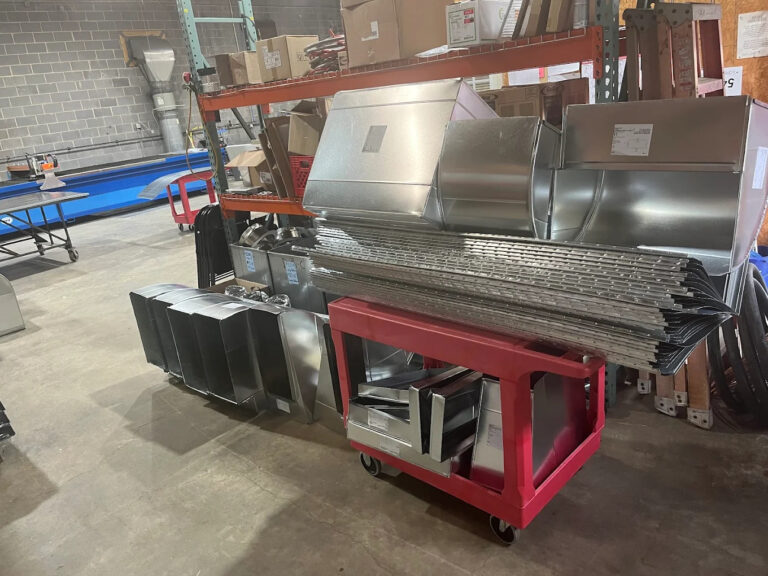
The workspace itself presents another critical safety factor often overlooked by DIY enthusiasts. Sheet metal fabrication generates metal shavings, requires adequate ventilation for cutting operations, and demands substantial floor space for material handling. Home garages rarely provide sufficient room to safely maneuver large metal sheets, increasing the risk of trips, falls, and crushing injuries. We maintain climate controlled facilities specifically designed for custom ductwork and air duct installation projects, with proper material storage systems, ventilation equipment, and clear pathways that prevent workplace accidents while ensuring precision results.
Investment Protection Through Professional Expertise
Beyond immediate safety concerns, DIY sheet metal projects frequently result in costly mistakes that compromise your entire investment. Improperly fabricated ductwork creates air leaks that increase energy bills by 20 to 30 percent according to Department of Energy studies. Incorrect measurements, poor joint connections, and inadequate insulation considerations plague amateur installations, leading to system inefficiencies that compound over years of operation. When we provide free estimates for residential, light commercial, and commercial sheet metal fabrication services, we factor in proper sizing calculations, airflow dynamics, and building code compliance that DIY projects typically ignore.
Material waste represents another hidden cost of amateur fabrication attempts. Sheet metal cannot be uncut or unbent once modified, meaning every measurement error results in scrapped material. Professional fabricators maintain material yield rates above 90 percent through careful planning, nested cutting patterns, and decades of experience predicting how metal behaves during forming operations. Our team serving Fredericksburg, Falmouth, Spotsylvania Courthouse, Thornburg, and Stafford Courthouse understands local building requirements and climate considerations that affect custom sheet metal specifications.
Common DIY Failures and Their Consequences
- Structural integrity compromises occur when amateur welding or fastening techniques fail to create proper bonds
- Moisture infiltration results from inadequate sealing methods that lead to rust, mold growth, and premature system failure
- Code violations trigger expensive retrofits when inspectors identify non compliant installations
- Warranty voidance happens when HVAC manufacturers discover non professional ductwork modifications
- Insurance claim denials follow when DIY installations cause property damage or personal injuries
Professional fabrication services eliminate these risks through certified techniques, proper documentation, and liability coverage that protects your investment. Industry statistics show professionally installed custom ductwork lasts 15 to 20 years longer than DIY attempts while maintaining higher efficiency ratings throughout its service life. The initial cost difference becomes negligible when factoring reduced energy consumption, fewer repairs, and preserved equipment warranties. Understanding when to engage professional fabricators versus attempting DIY projects ultimately determines whether your sheet metal investment delivers expected returns or becomes an expensive lesson in the complexity of metalworking.